Maltby Street market rubbish clearance tips Bermondsey
Posted on 17/07/2026

Maltby Street market rubbish clearance tips Bermondsey: a practical local guide
If you have ever stood near Maltby Street on a busy weekend and watched the bins, packaging, cardboard and leftover stall waste pile up faster than anyone expected, you will know the problem. Maltby Street market rubbish clearance tips Bermondsey is not just a search phrase; it is the sort of real-world issue that affects traders, organisers, nearby residents and anyone trying to keep the area tidy without creating more hassle.
This guide breaks the job down properly. You will find clear steps for clearing market waste, sensible timing advice, common mistakes to avoid, and a few local realities that people often miss the first time around. We will also cover compliance, recycling, and how to decide whether a simple uplift or a more structured clearance plan makes sense. Truth be told, a bit of planning saves a lot of faff later.
Why Maltby Street market rubbish clearance tips Bermondsey matters
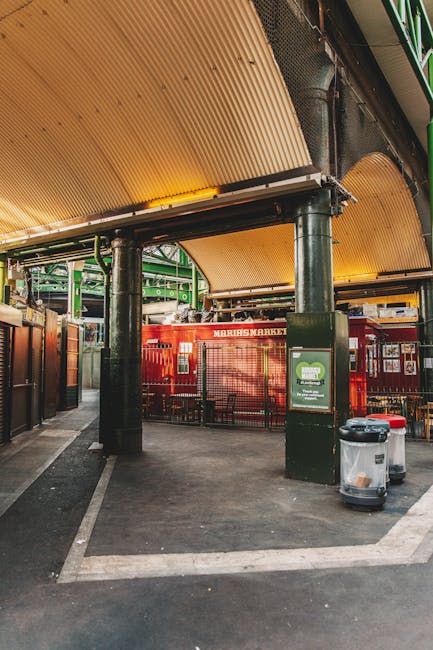
Maltby Street is lively, compact, and busy at exactly the times when waste can become awkward. That is the heart of the issue. Market rubbish is rarely just "a few bags." It often includes cardboard sleeves, food packaging, broken crates, soft plastics, drinks waste, wrapping, cleaning materials, and sometimes heavier items like display boards or damaged stock. If it is not managed well, it spreads quickly into walkways and storage corners.
In Bermondsey, space is precious. Loading areas can be tight, access can be crowded, and timing matters because footfall changes through the day. A clearance plan that works at 7am may be useless by mid-morning. That is why the practical side matters so much. You are not only trying to remove rubbish; you are trying to do it without disrupting traders, visitors, neighbours, or operations.
There is also a bigger picture. Clean, organised market surroundings make a better impression, reduce slip and trip risks, and help keep the area pleasant for everyone. Nobody wants to finish a successful trading day by wrestling with overflowing bags behind a stall. Not glamorous. But very real.
If you are comparing wider rubbish removal choices for the area, it can help to read the broader guidance on local rubbish clearance in Bermondsey and the more general services overview so you can match the job to the right type of collection.
How Maltby Street market rubbish clearance tips Bermondsey works
Market rubbish clearance works best when you treat it as a routine, not an emergency. The basic process is simple enough, but the success is in the details. First, identify what waste is being produced. Then separate what can be reused or recycled from what needs to go. After that, decide whether the waste can be bundled for scheduled collection or whether a same-day uplift is the smarter option.
For a busy market environment, the usual workflow looks like this:
- Check the waste types produced during service or setup.
- Separate cardboard, general waste, food-related waste, and any bulky items.
- Bag or bundle items securely so they can be moved without scattering debris.
- Move waste to a pre-agreed holding point, keeping access routes open.
- Arrange removal at a time that avoids peak trade and pedestrian flow.
The main thing people miss is timing. At Maltby Street, a clearance job that arrives at the wrong moment can create more trouble than the rubbish itself. If collections are happening while the market is at its busiest, you can end up blocking service paths or making the area feel cramped. It is one of those small decisions that makes a big difference.
Another practical point: not every pile of waste needs the same solution. A few flattened boxes are very different from a mix of broken fixtures, food waste, and heavier junk after a stall refit. For anything bulkier or more mixed, a specialist service is often the neater option. If your waste includes stockroom clutter, old displays, or clearance items, you may also find office clearance support useful if the back-of-house space needs a reset as well.
Key benefits and practical advantages
Good rubbish clearance is not just about looking tidy. It has several direct benefits that matter in a market setting:
- Safer walkways: fewer trip hazards, fewer sharp edges, fewer slippery patches.
- Better presentation: a cleaner pitch or shared space feels more professional and welcoming.
- Less stress at closing time: staff can leave without facing a mountain of rubbish.
- More efficient loading: waste is easier to remove when it is sorted and ready.
- Improved recycling chances: separating materials properly can reduce landfill-bound waste.
There is a softer benefit too. When waste is under control, the whole rhythm of the site feels calmer. You notice it in the way people move, the way bins are handled, and the way the space resets after a busy spell. Small thing, maybe. But not really. It shapes the whole experience.
For businesses that care about waste reduction, it is worth looking at the company's recycling and sustainability approach. That is especially relevant if you want waste to be sorted in a way that supports reuse and responsible disposal rather than simple dump-and-run habits.
Who this is for and when it makes sense
This guidance is for anyone who deals with Maltby Street market rubbish in a practical way. That includes stallholders, food vendors, pop-up operators, event teams, nearby commercial tenants, landlords, building managers, and even residents who notice recurring waste from busy trading days.
It also makes sense in a few common situations:
- Before or after weekend trading: when packaging and mixed waste build up quickly.
- After a stall refresh: when old materials, displays, or broken items need removing.
- After an event or private hire: when the waste pattern is bigger than usual.
- During seasonal surges: when footfall and stock turnover increase.
- When storage space is tight: and rubbish simply cannot sit around for long.
If you run a food-led pitch, you are likely to produce a different mix of waste from a retail or craft stall. That matters. Food containers, leftover produce packaging, and cleaning waste often need a firmer routine because they create odour and hygiene issues more quickly. On the other hand, retail stalls often deal with more cardboard and wrapping, which is easier to flatten and collect in batches.
For anyone juggling both trading and premises management, the wider local context helps too. You might find it useful to read about everyday life in Bermondsey and the broader area background in getting to know Bermondsey. They are not rubbish guides as such, but they help make sense of how the neighbourhood works day to day.
Step-by-step guidance
If you want a simple way to handle market waste without overcomplicating it, use this sequence. It is boring in the best possible way.
1. Identify the waste stream before the day starts
Think through what you expect to throw away: packaging, food waste, cardboard, shrink wrap, broken stock, disposable service items, or mixed junk. If you know what is coming, you can prepare the right containers and avoid last-minute improvisation.
2. Set up separate holding points
Do not pile everything into one area. Even two or three clearly labelled holding points can save time later. For example, keep cardboard flat and dry, place food waste in sealed bins, and store bulkier rubbish away from customer routes.
3. Keep access routes clear
That sounds obvious, but it is where things often go wrong. A narrow passage blocked by one overflowing sack can create a domino effect. Staff then move around the problem, more bags get squeezed in, and suddenly the whole back area is a mess.
4. Choose the right removal window
Try to schedule clearance when the site is quietest. Early morning or immediately after close is usually better than trying to shift waste mid-service. If vehicles or loaders are involved, make sure there is enough room to manoeuvre safely. A rushed collection never feels as efficient as it looked on paper.
5. Separate recyclable items where possible
Cardboard and clean packaging should not be mixed with wet food waste if you can help it. Once materials are contaminated, recycling becomes much harder. Flatten boxes, remove obvious contamination, and keep materials in a dry spot until collection.
6. Do a final sweep
Before leaving, check for stray lids, tape, broken bits, and anything that could blow away. A two-minute sweep can prevent an annoying little trail of mess along the pavement. And yes, it happens more often than people admit.
For larger clear-outs, especially where stall stock, fixtures, or mixed waste are involved, a dedicated waste removal service in Bermondsey can be the cleaner, faster route than trying to patch together several ad hoc solutions.
Expert tips for better results
After enough clears, a few patterns become obvious. The best results usually come from small habits, not big dramatic changes.
- Plan for the messiest hour, not the cleanest one. Waste always builds faster during peak footfall, so size your bins and collection plan for the busiest part of the day.
- Use stronger bags than you think you need. Cheap bags split at the worst moment. Usually near the doorway. Of course.
- Keep wet and dry waste apart. It reduces odour and makes recycling more realistic.
- Label responsibility clearly. If multiple people share a stall or back area, nobody should be guessing who moves what.
- Book ahead when possible. Last-minute arrangements can work, but they are less reliable during busy market periods.
One useful habit is to create a simple end-of-day waste routine. Not a document nobody reads. Just a short checklist that staff can follow without thinking too much. If you can walk through it in under a minute, it will probably get used. If it takes ten minutes to explain, it will probably be ignored. Harsh, but true.
Also, consider how waste moves through the space. People often focus on the bin itself and ignore the route from the stall to the loading point. If that route is awkward, the whole process becomes clumsy. Better to adjust the route than hope people will magically carry sacks through a crowd more elegantly than anyone should reasonably expect.
Common mistakes to avoid
Most rubbish problems around markets are not caused by one huge error. They come from a stack of little ones. Here are the most common.
- Leaving waste until after peak hours: by then, the collection point is usually busier and messier.
- Mixing everything together: once recyclable material is contaminated, it becomes harder to handle properly.
- Underestimating volume: what looks like three bags can become ten by close of trade.
- Ignoring access limits: if a vehicle cannot safely get close enough, clearance slows down fast.
- Using the wrong storage location: bins placed in the wrong spot can cause odours, pests, or obstruction.
- Not checking heavier items early: bulky waste needs a different plan from lightweight packaging.
A practical example: a trader clears cardboard into one corner all morning, meaning to flatten it later. By 2pm, rain has dampened the pile, passers-by have nudged it, and the whole lot is no longer neat or recyclable. That kind of thing is completely avoidable, yet it happens all the time.
If the waste comes from building or refurb work rather than trading, the rules of the game change again. In that case, it is better to look at builders waste disposal in Bermondsey rather than treating it like ordinary market rubbish.
Tools, resources and recommendations
You do not need fancy kit to keep market rubbish under control, but a few basic tools make life easier:
- Heavy-duty rubbish sacks for general waste
- Flat-pack boxes or bale straps for cardboard
- Clearly marked bins for mixed and food-related waste
- Gloves and simple handling tools for safe movement
- A small sweep kit for end-of-day clean-downs
- Labels or colour coding so staff know what goes where
It also helps to think in terms of process rather than equipment. One simple, repeatable method is better than three clever ones nobody follows. If a system works for the busiest staff member on the busiest day, it is probably good enough.
For businesses comparing practical support options, the article on matching your rubbish removal needs is a useful starting point because it encourages you to think about the type of waste, the volume, and how often it appears. That simple framing helps prevent overbuying or under-planning.
You can also review the company's approach to insurance and safety if your waste area has tight access, shared corridors, or any lifting concerns. In a busy market environment, safety is not a side issue. It is part of the job.
Law, compliance, standards and best practice
Market waste in the UK needs to be handled responsibly. The details vary depending on the waste type and the setting, but the general best practice is straightforward: waste should be stored securely, moved safely, and passed to appropriate disposal or recycling routes. If you are responsible for waste, you should avoid fly-tipping, avoid overfilling public bins, and keep materials from becoming a nuisance.
For traders and organisers, that usually means a few common-sense standards:
- Separate recyclable materials from general waste where practical.
- Keep waste contained so it does not attract pests or blow away.
- Do not block emergency access or pedestrian routes.
- Use suitable handling methods for heavier or awkward items.
- Make sure the collection approach fits the site's access constraints.
If waste includes food residue, liquids, cleaning materials, or contaminated packaging, treat it with extra care. The same goes for sharp items, broken fixtures, or anything likely to tear bags open. Common sense matters here more than fancy language.
There is also a wider responsibility to think about sustainability where possible. That does not mean every item can be saved, recycled, or repurposed. It simply means you should not default to the easiest disposal route when a better one is realistic. For that reason, many businesses in the area like to keep an eye on recycling and sustainability standards as part of their normal routine.
Options, methods, and comparison table
There is more than one way to clear market rubbish in Bermondsey. The right method depends on waste type, volume, urgency, and access. Here is a simple comparison to help you think it through.
| Method | Best for | Pros | Watch-outs |
|---|---|---|---|
| On-site sorting and bagging | Light general waste and packaging | Low cost, simple, good for routine use | Needs discipline and enough storage space |
| Scheduled collection | Regular market waste with predictable volume | Reliable and easy to plan around | Less flexible if trade patterns change suddenly |
| One-off clearance | Post-event waste, bulky items, mixed rubbish | Fast reset, less handling for staff | Can be less efficient if booked too late |
| Specialist bulky waste removal | Fixtures, displays, damaged stock, awkward items | Better for heavy or difficult loads | Requires clear item description and access planning |
If you are unsure which route fits, ask yourself one question: is the problem mainly routine waste, or is it a short-term clearance job after a change, event, or build-out? That answer usually points you in the right direction. Simple, but effective.
For traders or small businesses who also need a premises clear-out beyond the market pitch itself, house clearance in Bermondsey may be relevant where mixed household-style items, storage clutter, or move-out waste are involved.

Case study or real-world example
A typical Maltby Street scenario goes something like this. A food trader finishes a Saturday session with cardboard trays, paper wrapping, a few food-contaminated sacks, and some broken storage bits from a cramped back area. At first glance, it looks manageable. In reality, the waste is mixed, the access lane is narrow, and staff are already tired from a long day. That is when mistakes creep in.
In a better version of the same day, the trader flattens cardboard as it appears, keeps wet waste sealed, and moves any awkward items to a separate corner before the final rush. A collection is booked for a quieter window, and the last sweep takes only a few minutes. The difference is not dramatic on paper, but it feels dramatic in real life. Less mess, less stress, no awkward pile-up near closing.
One small but telling detail: the smoother job usually starts before the market gets busy. If you wait until you are already rushing, the waste plan starts losing shape. Everyone has seen that happen. Nobody enjoys it.
If you are dealing with a regular trading setup, this is also the point where a broader service arrangement can help. A well-planned collection routine is often easier than repeated one-off fixes, and that is where it helps to understand the available waste removal options in Bermondsey.
Practical checklist
Use this checklist before and after clearance day. Keep it short. Keep it usable.
- Have you identified the waste type mix for the day?
- Are cardboard, food waste, and general rubbish separated?
- Have you flattened boxes and bundled loose material?
- Is the holding area clear of customer and staff traffic?
- Do you know the best time window for removal?
- Are heavy or awkward items flagged separately?
- Have you checked that no sharps or breakables are exposed?
- Is the route to collection safe and unobstructed?
- Have you done a final sweep for loose debris?
- Are recycling opportunities being used properly?
If you can tick most of these off without much effort, your system is probably working. If not, you may need a simpler layout or a more regular clearance schedule.
Expert summary: the best Maltby Street market waste plan is not the fanciest one. It is the one that fits the pace of the market, keeps access clear, and makes sorting easy enough that people actually do it. That is the real trick.
Get a free quote today and see how much you can save.
Conclusion
Maltby Street market rubbish clearance tips Bermondsey come down to a few practical truths: sort early, keep waste contained, clear it at the right time, and do not let a small pile become a bigger one. The market is busy, the space is limited, and a tidy system saves everyone time. It also makes the whole place feel better to work in, which matters more than people sometimes admit.
If you are facing recurring waste, a one-off post-event clear-out, or a back-of-house reset that needs proper handling, it is worth choosing a method that fits the site rather than forcing the site to fit the method. Small adjustment, big difference. That is usually how good local operations work.
And if you keep it simple, consistent and safe, the whole job becomes less of a chore and more of a routine. Not perfect. Just properly under control.

From a young age, Blair has cultivated a passion for order, which has now matured into a prosperous profession as a waste removal specialist. She derives satisfaction from transforming disorderly spaces into practical ones, aiding clients in conquering the burden of clutter.
 Tipper Van - Rubbish Removal and Property Waste Removal Prices in Bermondsey, SE16
 Luton Van - Rubbish Removal and Property Waste Removal Prices in Bermondsey, SE16